
The History of the German Biergarten
Where did biergartens come from? Discover the 200-year history of Germany's beloved beer gardens — and where to find an authentic one near Annapolis.
There's a reason sitting in a biergarten feels different from sitting on any other restaurant patio. The long communal tables, the shade trees, the unhurried pace — none of it is accidental. The biergarten is one of Germany's great social inventions, and its story starts, of all places, underground.
It Began with Beer Cellars
In the early 1800s, Bavarian brewers faced a practical problem: lager beer needs cool temperatures to ferment, and summer in Munich made brewing nearly impossible. Their solution was to dig deep cellars along the banks of the Isar River, pack them with ice, and store beer there through the warm months.
To keep the cellars even cooler, brewers planted chestnut trees overhead. Chestnuts have broad leaves and shallow roots — perfect shade without disturbing the cellars below. Before long, brewers realized they were sitting on something valuable: cold beer, in summer, under beautiful shade trees. They set out simple tables and started selling directly to the public.
Munich's innkeepers were furious about the competition, so King Maximilian I struck a famous compromise in 1812: the beer cellars could serve beer (and bread), but no other food. Customers brought their own. To this day, in a traditional Bavarian biergarten, you're welcome to bring your own picnic to the self-service areas — a tradition that survives from a 200-year-old royal decree.
More Than a Place to Drink
What makes a biergarten a biergarten isn't really the beer. It's the Gemütlichkeit — that famously untranslatable German word for warmth, belonging, and good cheer. Strangers share tables. Families bring children. Nobody rushes you. The biergarten became the living room of Bavarian life, a place where a banker and a bricklayer could split a bench and a liter of Helles.
That spirit crossed the Atlantic with German immigrants in the 19th century, and beer gardens flourished in American cities from Milwaukee to Baltimore before Prohibition wiped most of them out. Their revival over the past two decades has been one of the happiest trends in American dining.
Our Corner of Bavaria in Edgewater
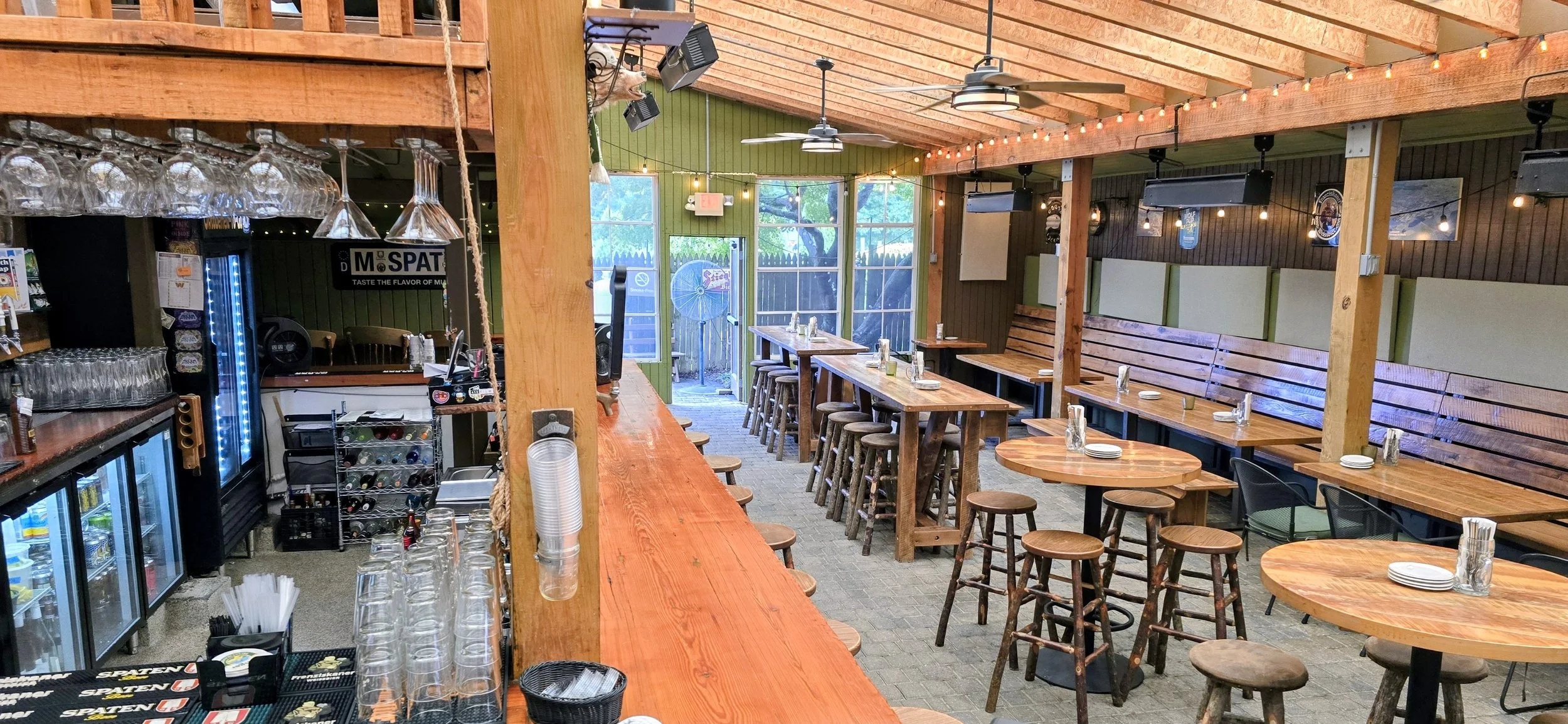
When you settle into our 150-seat biergarten here at Old Stein Inn, you're taking part in that tradition. We pour from ten German taps, the pretzels come out warm, family and friends celebrate, and Friday nights alive with music that drifts through the garden the way it has in Munich for two centuries. Our family's roots trace back to Neustadt an der Weinstrasse, and building a true biergarten — not just a patio with beer — has always been part of honoring where we came from.
The chestnut trees of Munich are a long way from the Chesapeake, but the feeling underneath them travels just fine.
Planning a visit? Check our events calendar for live music Fridays and trivia Wednesdays or reach out about hosting your next celebration in the biergarten. Prost!